Homeschooling Tips
10 Ways to Make Homeschooling Easier for the Whole Family
A calmer homeschool rarely comes from doing more. These ten practical changes help lessons, chores, and family time fit together with less daily friction.
Everyday Scholar
5 min read

Homeschooling can be rewarding and demanding in the same afternoon. You might explain fractions, settle an argument, answer a work message, and realize nobody has started lunch. When every next step depends on a parent remembering it, even a good curriculum can feel heavy. The fix is rarely a perfect schedule or another elaborate system. It is usually one small change that removes a repeated snag: a clear first task, supplies that stay together, or a plan for interrupted work. Start with the part of your day that regularly gets stuck, then make that moment easier for everyone.
Begin with a day your family can actually repeat
1. Pick a dependable starting signal. Breakfast, a short walk, or a read-aloud can mark the start of school without requiring everyone to be at a desk at the same minute.
2. Decide what counts as a successful school day. Choose a few essential tasks for each child and treat the rest as flexible. On a difficult day, completing the essentials is progress, not failure.
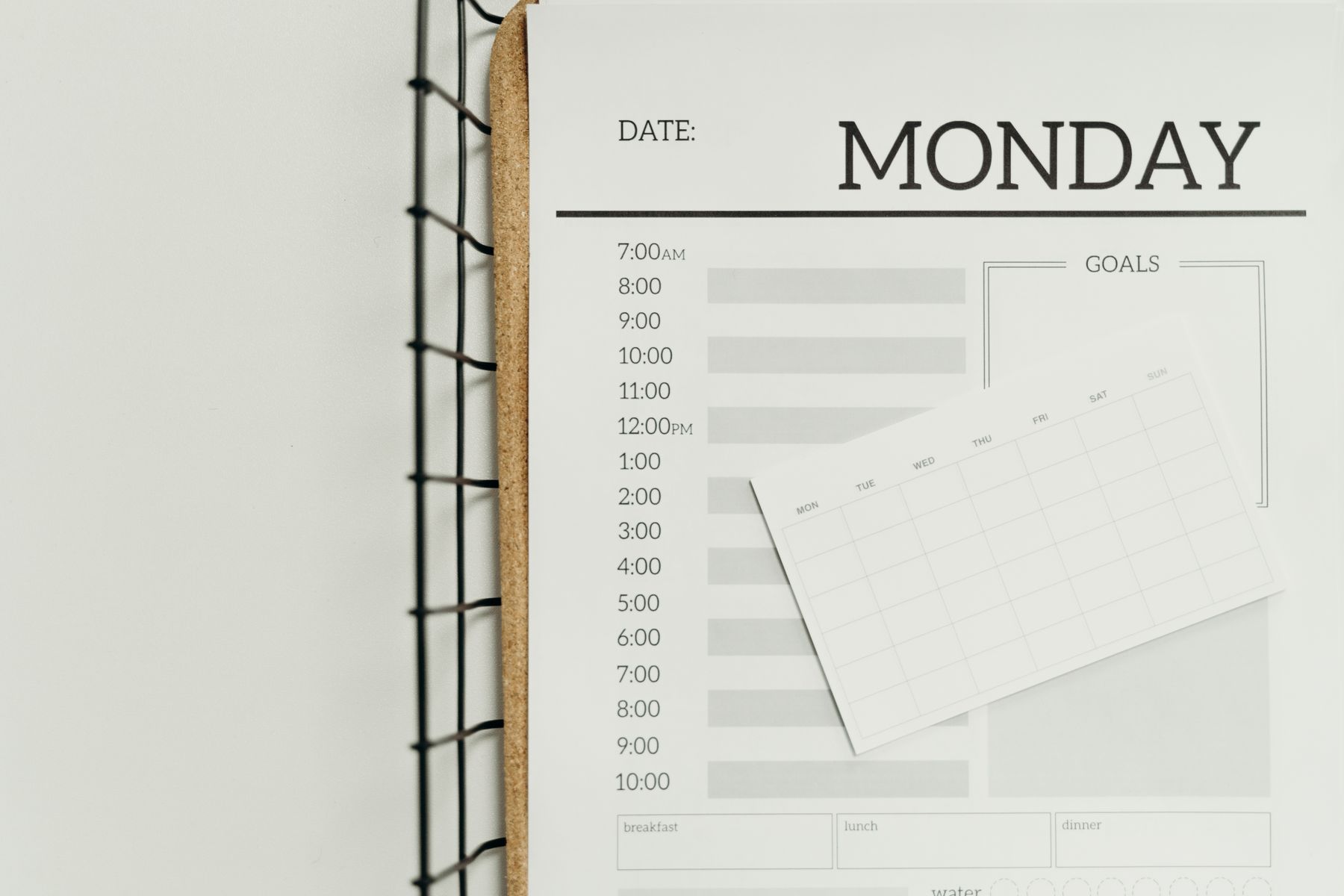
3. Put the next step where children can see it. A short checklist, whiteboard, or planner helps a child begin independent work without asking you to repeat the whole plan.
4. Group similar tasks. Read to two children together, prepare several assignments at once, or set a shared math time. Grouping does not work for every subject, but it can reduce the number of transitions in a day.
5. Keep supplies near where they are used. A small basket with pencils, paper, scissors, and the current books saves time otherwise spent searching through several rooms.
Make transitions and responsibilities lighter
6. Build a short reset between subjects. A stretch, snack, bathroom break, or trip outside can help children shift attention. Keep the reset brief enough that getting started again remains simple.
7. Teach household jobs before expecting independence. Show what “put away the books” means, practice together, and agree on a reasonable standard. A child who needs reminders is still learning the routine.
8. Prepare tomorrow’s first task before the school day ends. Set out the book, print the page, or write the problem number. A clear first step can make the morning less dependent on a parent’s memory.
9. Give each child a place for unfinished work. Use a folder, tray, or digital note so a lesson interrupted by an appointment has a clear place to resume.
10. Make room for an imperfect day. Keep a simple list of what can move to tomorrow and what can be dropped. A plan is useful when it helps the family respond to real life, not when it demands that real life stop.
Share the plan instead of carrying it alone
Choose one weekly time to look at appointments, lessons, meals, and household needs. Ten quiet minutes can uncover that Wednesday is too full or that a child needs a library book before a project begins. Ask children what they understand about the plan and what feels confusing. Their answers can reveal a missing instruction, not a lack of motivation.
If two parents share the work, agree on a few concrete handoffs. One parent might review the weekly plan on Sunday; another might read with a child after dinner or prepare materials for a hands-on project. The goal is not to duplicate the teaching day. It is to make the invisible work visible and share the parts that fit each person’s schedule. For ideas on balancing a job and family learning, see how homeschool dads can be more involved.
Protect the parts of family life that matter
Think about how the day feels at its busiest point. If several children need direct help at once, rotate who gets your attention: give one child a short independent task, work with another, then switch. Use work you have already reviewed for the independent block rather than assigning a brand-new concept that will immediately require you.
Make instructions specific enough that someone else can follow them. Instead of writing ‘finish school,’ list the actual next steps, where to find each book, and what to do when a question comes up. This is especially useful when parents trade teaching times or a child is beginning to work more independently.
Keep the cost of a new system in view. A strategy that depends on buying several organizers or printing a new packet each week may create more work than it removes. Try a low-cost version first: one folder, a reused basket, or a note on the refrigerator. If it makes the routine clearer for two weeks, then decide whether it is worth improving. The simplest tool that everyone remembers to use is often more helpful than a beautiful system only one parent understands.
A homeschool plan should leave room for sleep, meals, movement, friendships, and unhurried conversation. If every subject expands until it fills the whole day, look at the amount of work and the way it is assigned. A long worksheet may be replaceable with a conversation, a short written response, or a demonstration of understanding, depending on the subject and your goals.
At the end of the week, ask one useful question: what made learning easier to begin? Keep that practice. Ask what caused the most friction, and change one thing. Families differ in ages, needs, budgets, and teaching styles, so a routine is successful when it serves your household. Everyday Scholar brings plans, schedules, responsibilities, and academic records into one shared place; you can see how the app works or use a paper list if that fits better. Begin small, notice what helps, and let the system grow with your family.